

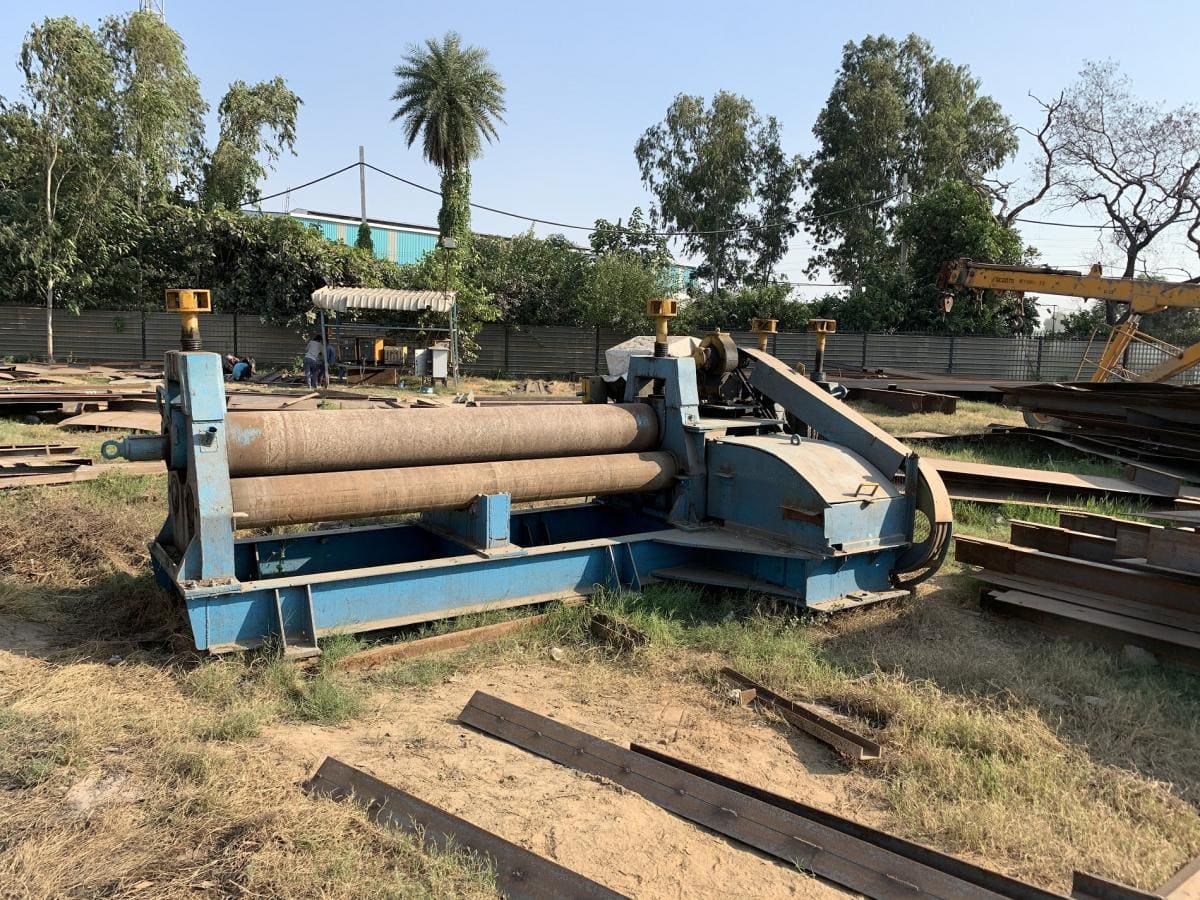
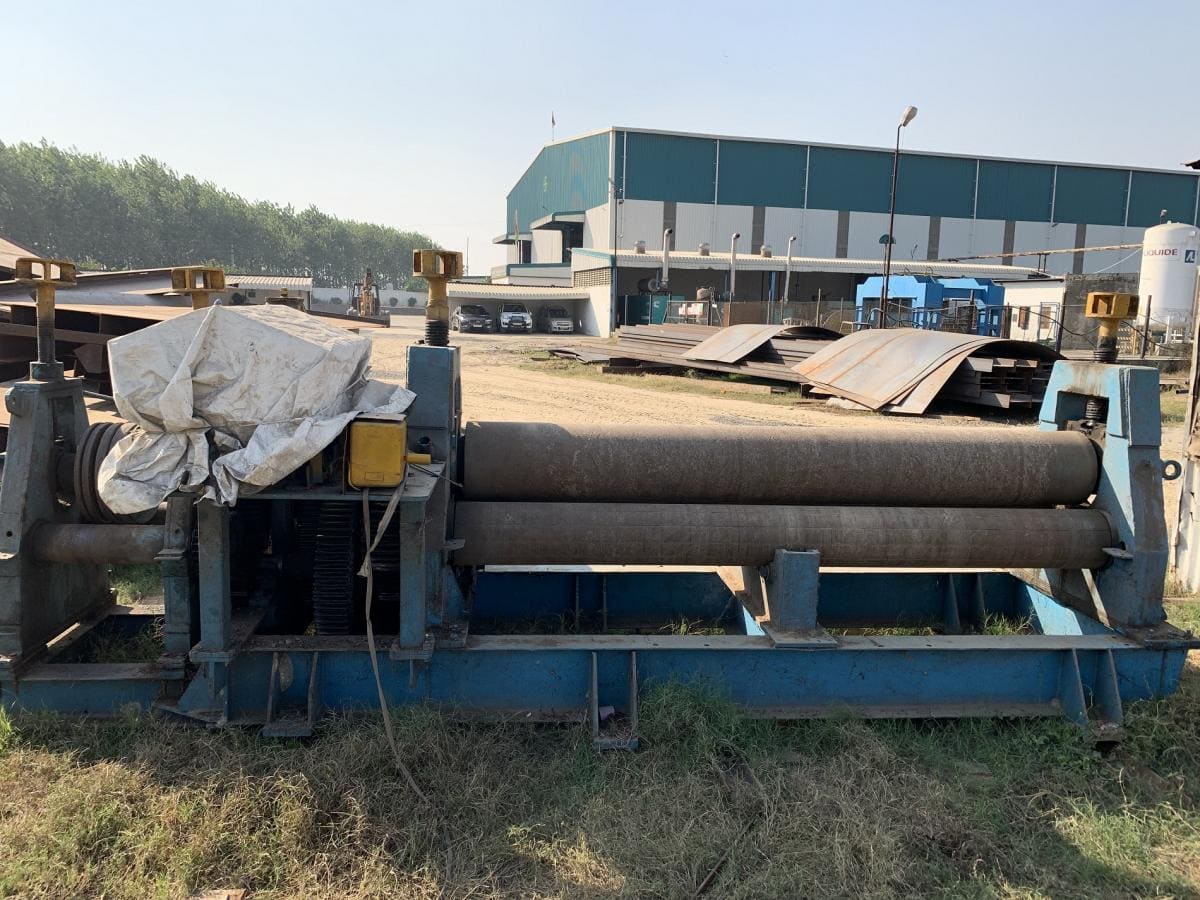
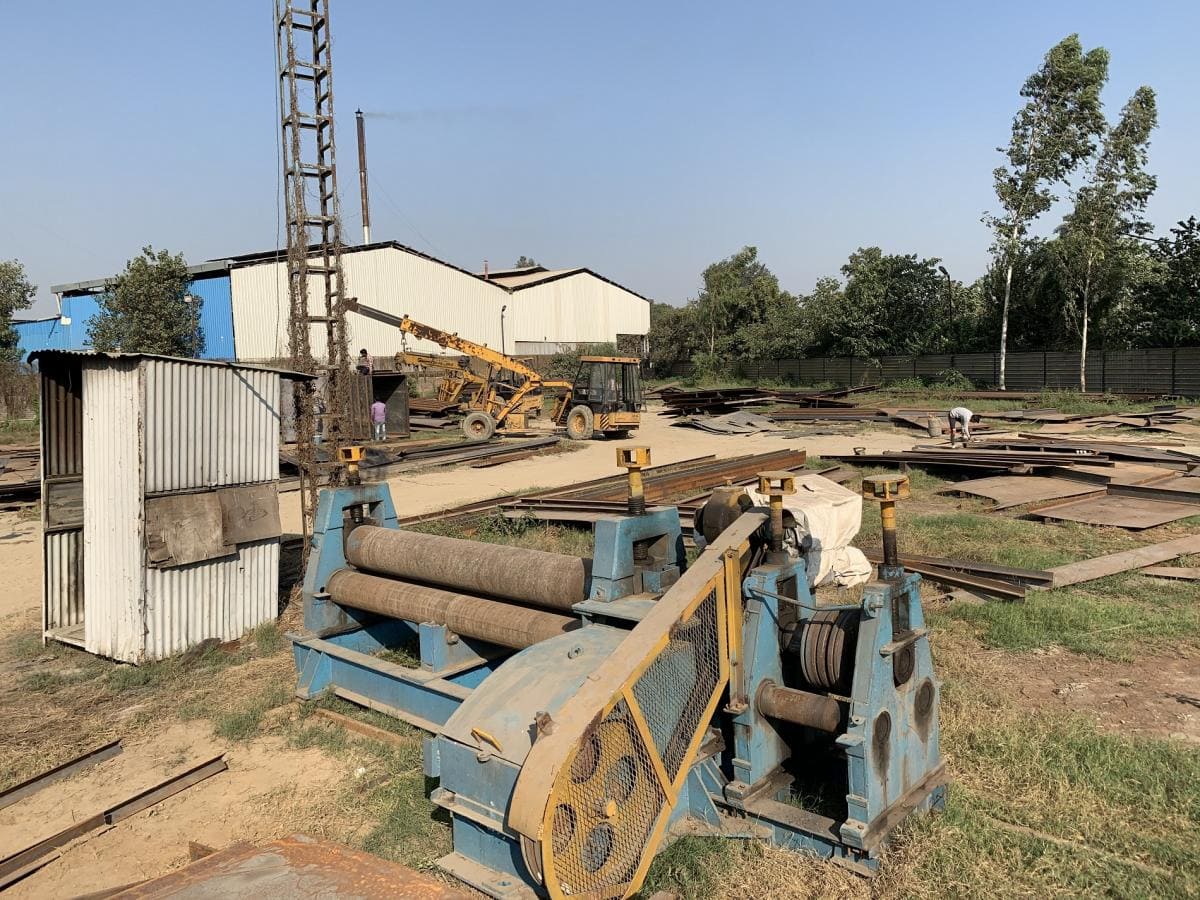
GISF Engineering Private Limited is equipped with a Hydraulic Rolling Machine designed for accurate and efficient rolling of steel plates into cylindrical and curved shapes. This facility supports the fabrication of structural and industrial components such as shells, tanks, ducts, and curved sections used in power plants, refineries, infrastructure, and heavy engineering projects.
The rolling machine is capable of processing steel plates with thicknesses up to 25 mm and widths up to 2500 mm, offering flexibility for a wide range of fabrication requirements. The hydraulic system ensures smooth and controlled rolling, enabling consistent curvature and high dimensional accuracy.
The machine can roll plates to a minimum diameter of 600 mm, making it suitable for both small and large radius applications. Precise control over rolling parameters helps reduce material stress and ensures uniform shape throughout the rolled component.
Key advantages of the Hydraulic Rolling Machine include:
-
Accurate rolling of thick and wide steel plates
-
Capability to achieve tight and uniform diameters
-
Smooth hydraulic operation for consistent results
-
Reduced material distortion and improved fitment
-
Enhanced productivity for curved component fabrication